

Blog
From Diary Pages to Literature: The Power of the Teenage Diary Novel

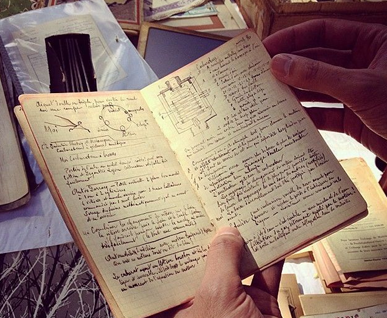
Understanding the Teenage Diary Novel Format
This teenage diary novel, set in the 1970s, is genuinely one of the most realistic coming of age novel set in the 1970s, and is able to connect with its audience on a truer level. The ability it has to relate the story through the means of a set of diary entries, written in a purely messy, teenage way, it engages the readers into coming into the personal realm of growing up. This form of writing is very hard to do in a way so that it connects with its audience as well and also conveys raw emotion but Anthony Gaines has done it in the most realistic form possible.
Inner Thoughts and Teenage Identity
Storytelling through diary writing develops the teen novel, opening up inner monologues and allowing raw expression of fear, belief, defiance, and desire in first person. This is the reality that fuels the teen identity novel, where progress is achieved by thought and not solely by deed. It’s more that the audience feels change rather than sees it.
Why the 1970s and the Diary Novel
People ask me, ‘Why choose the 1970s and why choose a teenage diary novel of all things?’ but to that I say, a coming-of-age novel set in the 1970s was the most authentic form of how and why I could show something like this in all of its honest form because diary writing was one of the most common ways of venting that teens had during that time. The 1970s was also shaped by so many things like music, television, religion and rebellion. So these entries make for a very realistic 1970s teenage life novel, based on lived experiences.
The Strength of the Teen Perspective Novel
The diary format eliminates adult narration, reinforcing the teen perspective novel. There is no hindsight-just emotion as it happens. It is this immediacy that defines an introspective coming of age novel where confusion and growth exist beside each other sans judgment.
Why Diary-Based Stories Endure
In one of the most realistic coming-of-age novels of the 1970s, this sort of note-keeping and venting becomes more than just a hobby, it becomes more like a way of keeping one sane. Teenagers write in their journals to make sense of their struggles, and to come to terms with the world around them. This teenage diary novel is able to be the way it is because it captures that growing-up in all of its real, messy, honest, and human glory.